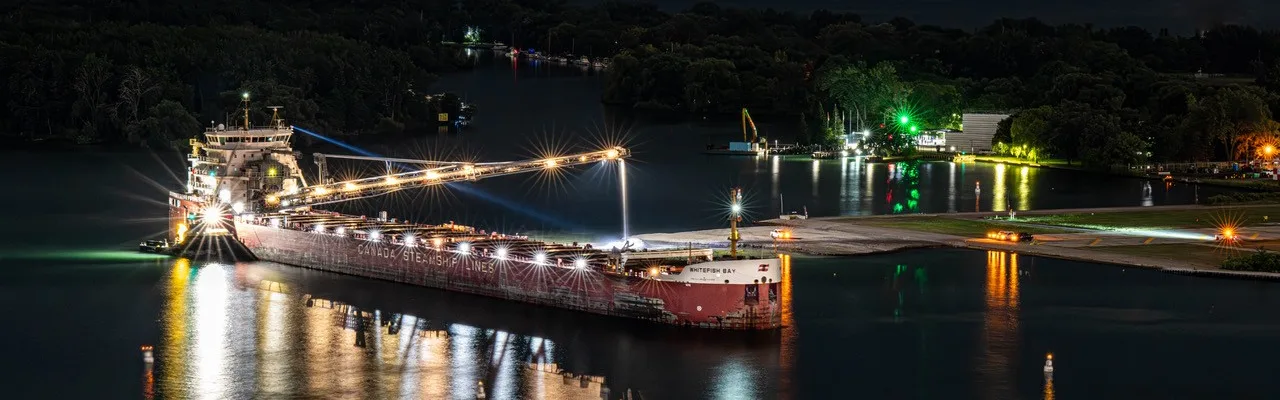
Strengthening Waterfront Infrastructure
Toronto Port Authority’s capital projects help strengthen the infrastructure that supports Toronto’s economy, connectivity and quality of life. From transportation and safety enhancements to rehabilitation of critical public assets, these investments reflect our commitment to serving the community today while preparing for the needs of tomorrow.
Capital Project Community Notices
We issue community notices regarding project activities relevant to the public. Consult our Community Notices for timely updates regarding our capital projects.
Current Projects
Read about our current capital construction projects:
The Toronto Port Authority is constructing two new Runway End Safety Areas (RESAs) at Billy Bishop Toronto City Airport as part of a federally mandated safety enhancement project. Commencement of the project follows an Environmental Assessment that was conducted in 2024, and approval by the City of Toronto in October 2024. Required by Transport Canada, RESAs are cleared and graded safety areas located beyond the ends of active runways.
For complete details, visit our RESA page.
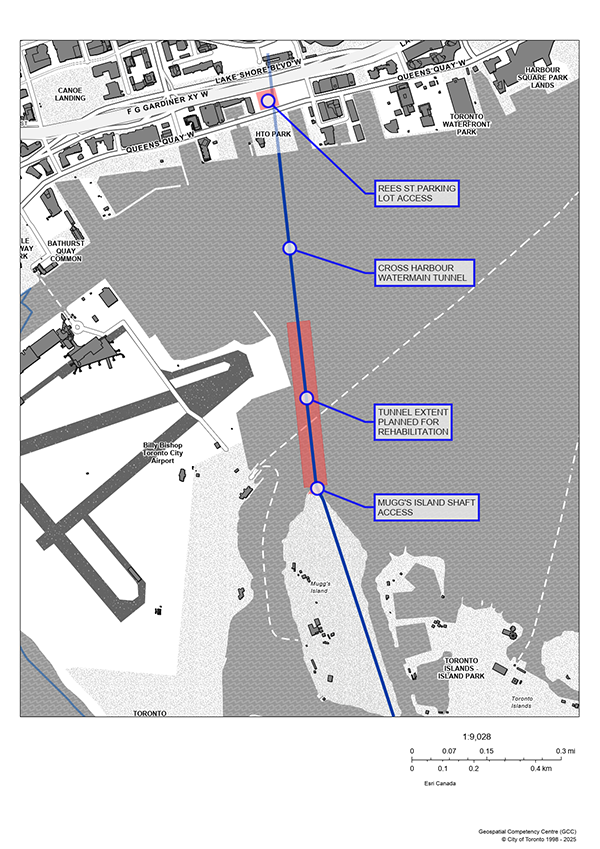
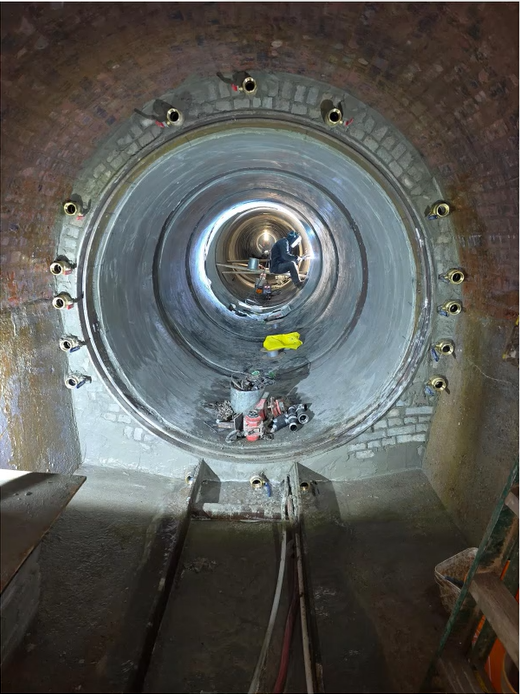
Toronto Port Authority and the City of Toronto are pleased to confirm the completion of Phase 1 of the Cross Harbour Tunnel Rehabilitation Project. This work was finished in April 2026. The project strengthens this critical infrastructure that carries drinking water from the Island Water Treatment Plant to the John Street Pumping Station. The Toronto Port Authority and the City worked together to protect this important part of Toronto’s water system. Phase 2 of the project is planned to begin in December 2026, when the tunnel can be closed again for more rehabilitation work.
If you have questions about this project, contact CHT@torontoportauthority.com.
Key Facts
- Contractors: C&M McNally Engineering Corp. (construction); RV Anderson Associates (engineering).
- Timeline: Project began in December 2025 and will be completed in 2027.
- Partner: The City of Toronto
- Community Notice issued at the start of this project
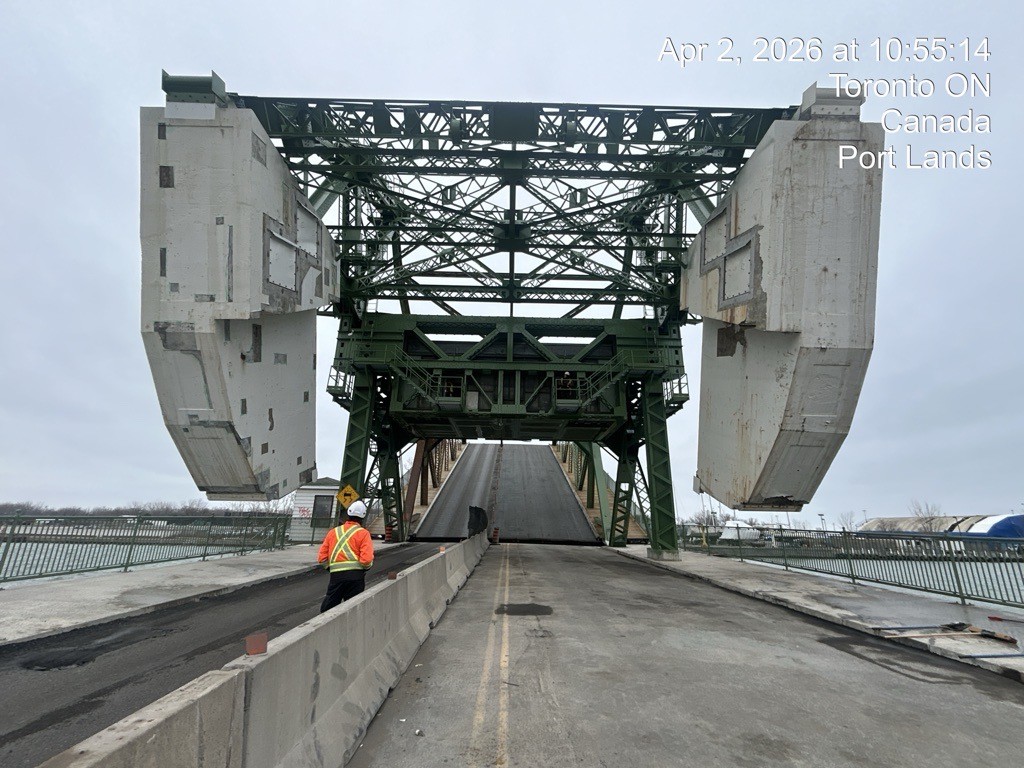

The Cherry Street Ship Channel Bridge, designed by Joseph B. Strauss, uses the early 20th-century “bascule” bridge design that helped transform movable bridge engineering. The bridge was constructed in 1930 by the Dominion Bridge Company for the Toronto Harbour Commissioners. In March 2022, the Toronto Port Authority in partnership with the City of Toronto began a major rehabilitation program to modernize the ageing Ship Channel Lift Bridge, a vital piece of infrastructure supporting Toronto’s supply chain.
This project will modernize three key components of the aging structure and is expected to be completed in 2028. Most work in Phases 2 and 3 will occur during winter months when the Ship Channel Bridge is closed to marine navigation. Throughout the project, the Toronto Port Authority will maintain cargo transportation across the Ship Channel, and keep vehicle and pedestrian access available where reasonably possible, with safety as the highest priority.
If you have questions about this project, contact communications@torontoportauthority.com.
Completed
- Phase 1 (2024): Rehabilitation of the north and south roadway approaches
- Phase 2 (2026): Structural steel repair, cleaning, and coating
Ongoing
- Phase 3 (anticipated completion May 2027): Replacement of end-of-life mechanical and electrical lift systems
- Phase 2 carryover (anticipated completion April 2028): Final cleaning and coating, east bascule span
Navigation closures
- January to April 2027
- January to April 2028
Key Facts
- Partner: The City of Toronto
Past Projects
Read about our past capital construction projects:
Soletanche Bachy Canada rebuilt 140 metres of the ageing east dock wall at Billy Bishop Toronto City Airport between July and December 2025, installing a combi-wall system entirely from marine equipment so that the airport could keep operating alongside the work. Rock anchors took the place of the conventional tie-rods and concrete anchor blocks, which reduced both the disruption on site and the carbon: the contractor reports a 36 per cent reduction in carbon dioxide emissions across the concrete scopes, some 105,000 kilograms.
Read the summary by Soletanche-Bachy.