About the Port of Toronto
Since 1793, the Port of Toronto has served as a vital gateway connecting the city to the St. Lawrence Seaway and international marine ports around the world. A long-standing presence in the city, the Port continues to evolve as a dynamic, multi-use economic hub, owned and operated by the Toronto Port Authority.
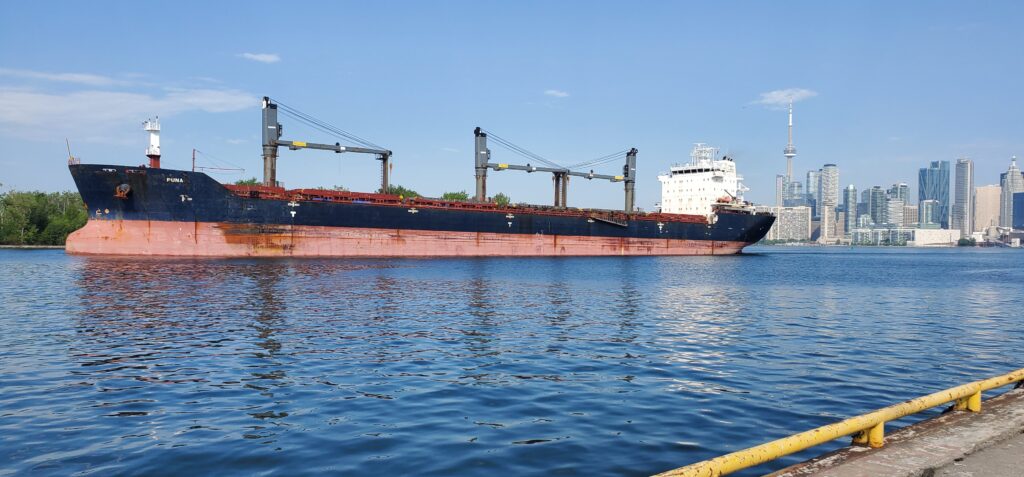
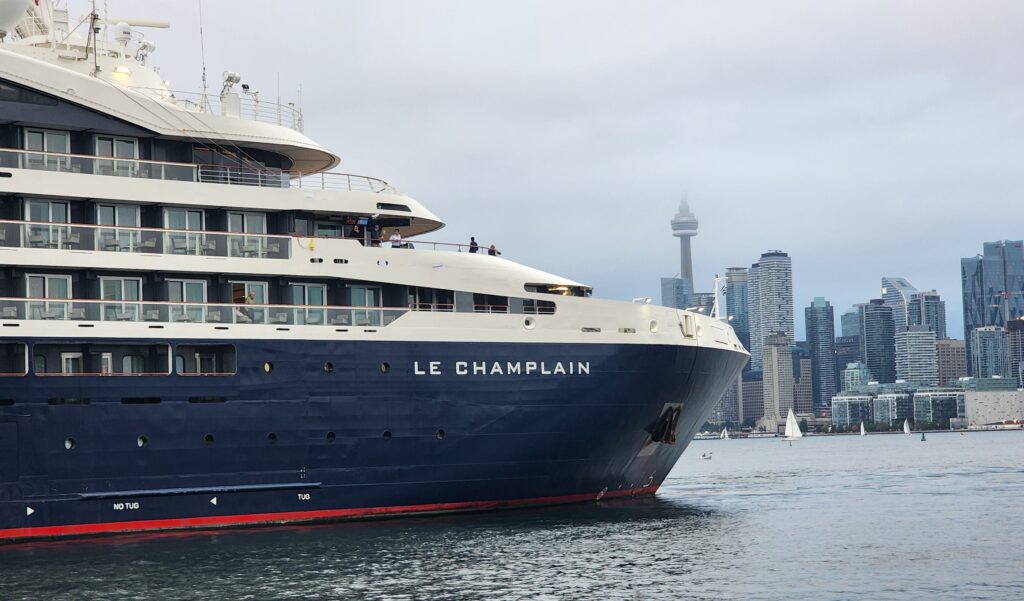
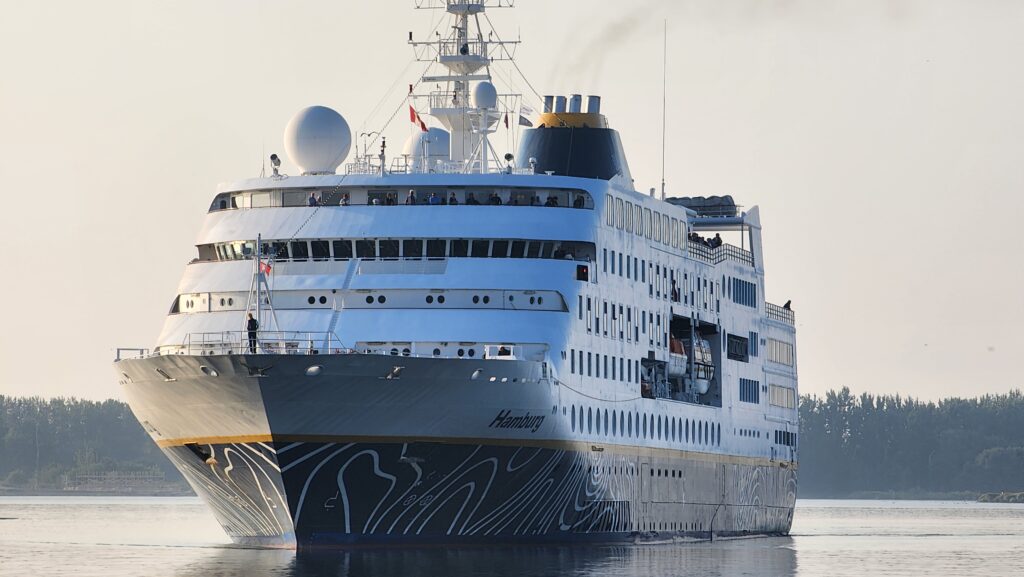
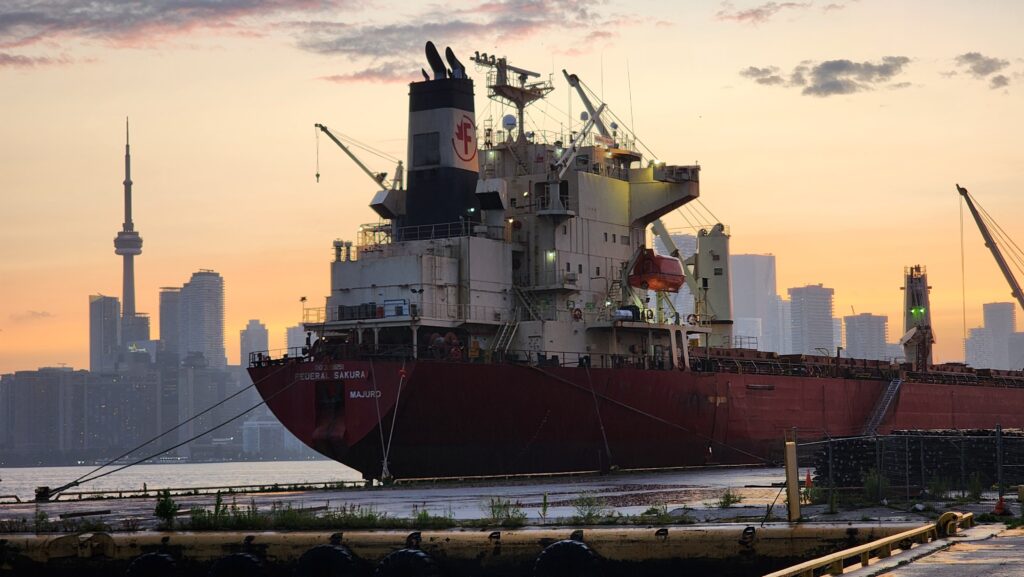
Strategically located just minutes from downtown Toronto, the Port primarily handles bulk cargo imports, facilitating the efficient movement of goods from global markets including Europe, Asia, Australia and the Americas. The Port of Toronto is also home to a burgeoning Great Lakes cruise ship business, with Toronto serving as an essential turnaround point. By welcoming international cruise passengers directly into the heart of the city, the Port plays an important role in boosting local tourism, increasing visitor spending and enhancing Toronto’s profile as a destination along the Great Lakes cruise network. Cruise the Great Lakes projects that cruises will exceed USD $300 million in 2026 (an increase of 25% from 2025).
Marine shipping remains one of the safest and most efficient modes of transportation, offering significant advantages over road-based freight on a per-ton basis. As part of an environmentally sustainable marine transportation corridor, the Port of Toronto supports the efficient movement of goods and passengers through one of North America’s busiest economic regions, while also reducing truck traffic by an estimated 54,000 shipments annually. Marine shipping activity each year generates over 670 directly related jobs and $79.1 million in taxes, as well as an overall economic impact estimated at $460 million.*
The Toronto Port Authority possesses legislated responsibility for all port activities related to shipping, navigation, transportation of passengers and goods, and the handling and storage of cargo. We ensure that the Port remains a modern working harbour, balancing industrial, recreational and residential uses. The Port and Harbour of Toronto attend to nearly 10,000 recreational boaters; the largest harbour tour fleet in North America; city and airport ferries; visiting cruise ships; and 220 metre-long lakers which are continuously delivering cargo throughout the year.
Continuing to this day, the Port of Toronto remains committed to maintaining stable, consistent imports that support key sectors across the Greater Toronto Area and making upgrades that will ensure we continue to lead in environmentally sustainable marine transport while contributing to the region’s economic growth through activity in trade, tourism and supporting cultural industry.
*Martin Associates, Economic Impacts of Marine Shipping in the Port of Toronto, 2023.
Industry Facts and Figures
Cargo Tonnage
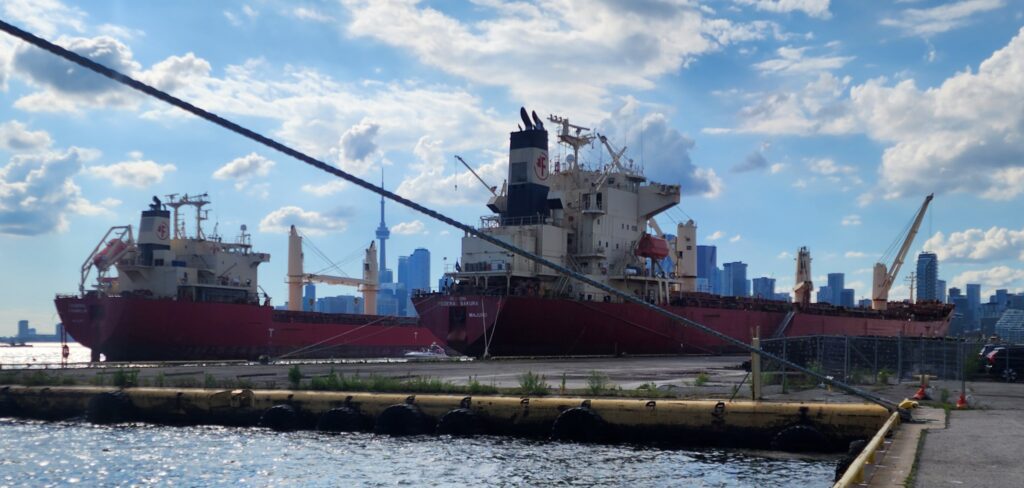
The Toronto Port Authority is proud to announce annual results related to the 2025 season at the Port of Toronto. In 2025, the Port of Toronto handled more than 2.16 million metric tonnes of cargo, delivered by 167 vessels, marking a 4.5% increase in imports compared with 2024. Bulk commodities included 751,353 tonnes of road salt, 575,898 tonnes of sugar, 714,843 tonnes of cement, 57,667 tonnes of aggregate, and 79,079 tonnes of steel products supporting construction and manufacturing across the Greater Toronto Area.
Cruise Ship Industry
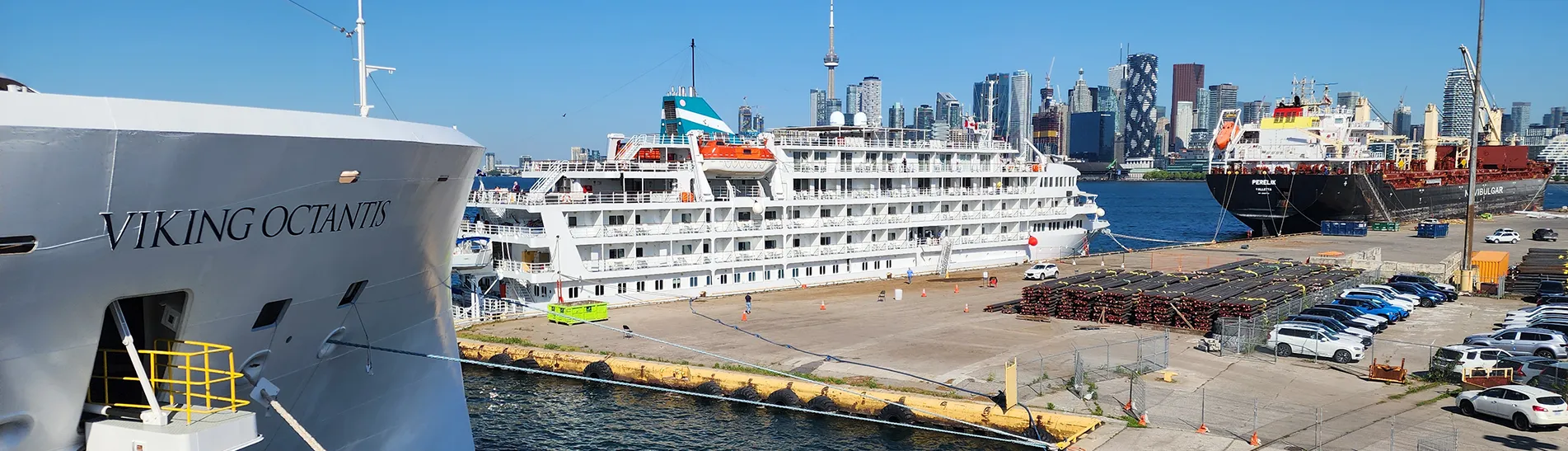
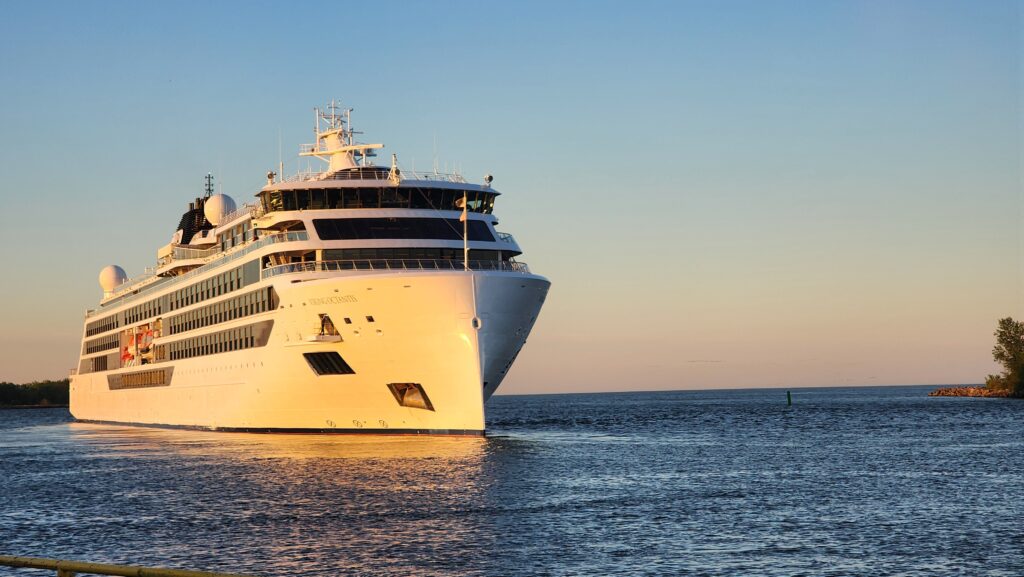
The cruise ship business at the Port of Toronto posted solid results in 2025, with 42 cruise ship calls bringing 18,461 passengers to the city via the Cruise Ship Terminal. Cruise lines included Victory, Pearl Seas, Viking, Ponant, and Hapag-Lloyd. Looking ahead, 2026 is forecast to bring 45 cruise ship calls and nearly 19,000 passengers to the Port of Toronto. This is consistent with projections from Cruise the Great Lakes, which reports that economic impact of Great Lakes cruises will exceed $300 Million (US) in 2026, an increase of 25% from 2025.
Film and Television
The Toronto Port Authority leases two of its Marine Terminals to Cinespace, which in turn provides production facilities for film and television companies such as Netflix. This activity supports Toronto’s $2 billion film industry, much of which is concentrated in the port lands area. The Port also provides the backdrop for many productions including Frankenstein by Guillermo del Toro, Law & Order Toronto, Reacher and The Boys.
Our Facilities
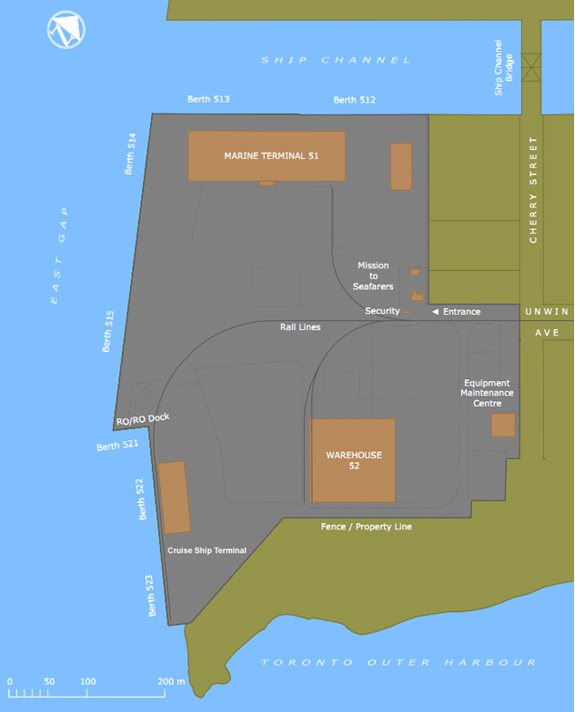
The Toronto Port Authority maintains a paved facility of over 50 acres (20 hectares) located adjacent to downtown Toronto. The yard provides convenience, with excellent access to the railroads, as well as all major highways. This facility is fully bonded, has 24-hour security, and is an ISPS Code Facility, attracting several long-term leases.
The Port of Toronto’s marine terminals include inside and outside storage, and some 1,800 metres of berthing space for ships carrying general cargo. All berths are in excess of Seaway depth (27 feet or 8.2 metres.
Additional public and private berths are available around the Port for loading and unloading of bulk materials. The Port of Toronto is operated by the Toronto Port Authority, with the marine terminals operated in partnership with Logistec Inc.
Port of Toronto Stakeholders
- Lehigh Hanson
- Lafarge Canada Inc.
- Cargo Dockers Ltd.
- Strada Aggregates
- Redpath Sugar
- Rideau Bulk Terminals
Port Map
The Port of Toronto, one of Canada’s largest major inland ports, is situated on the northwest shore of Lake Ontario.