Trash Trapping Program
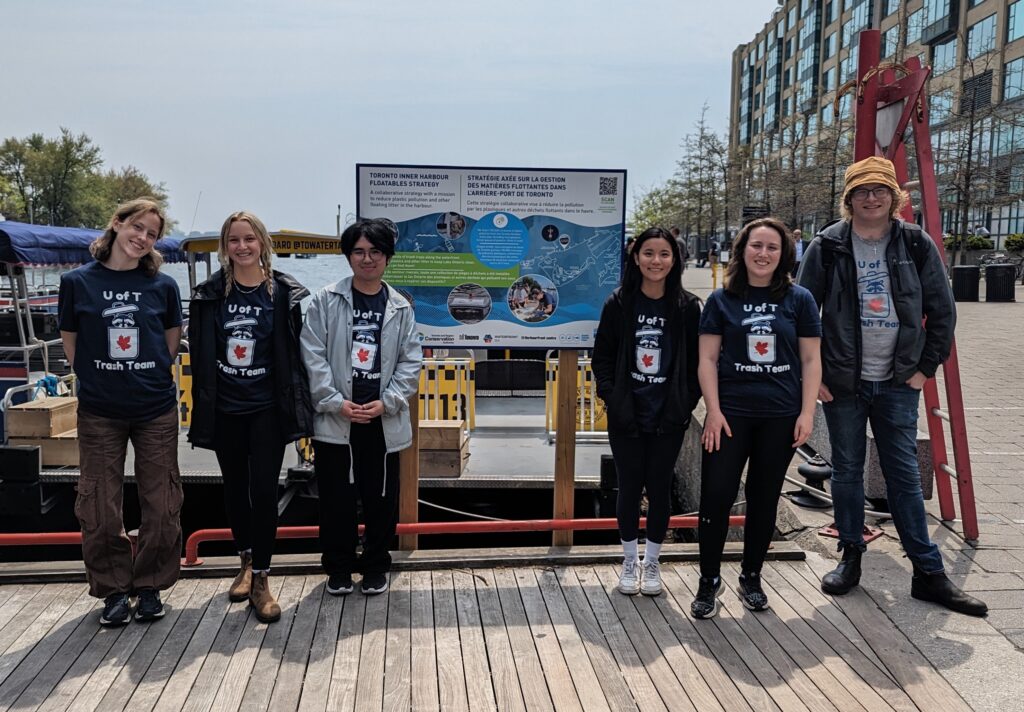
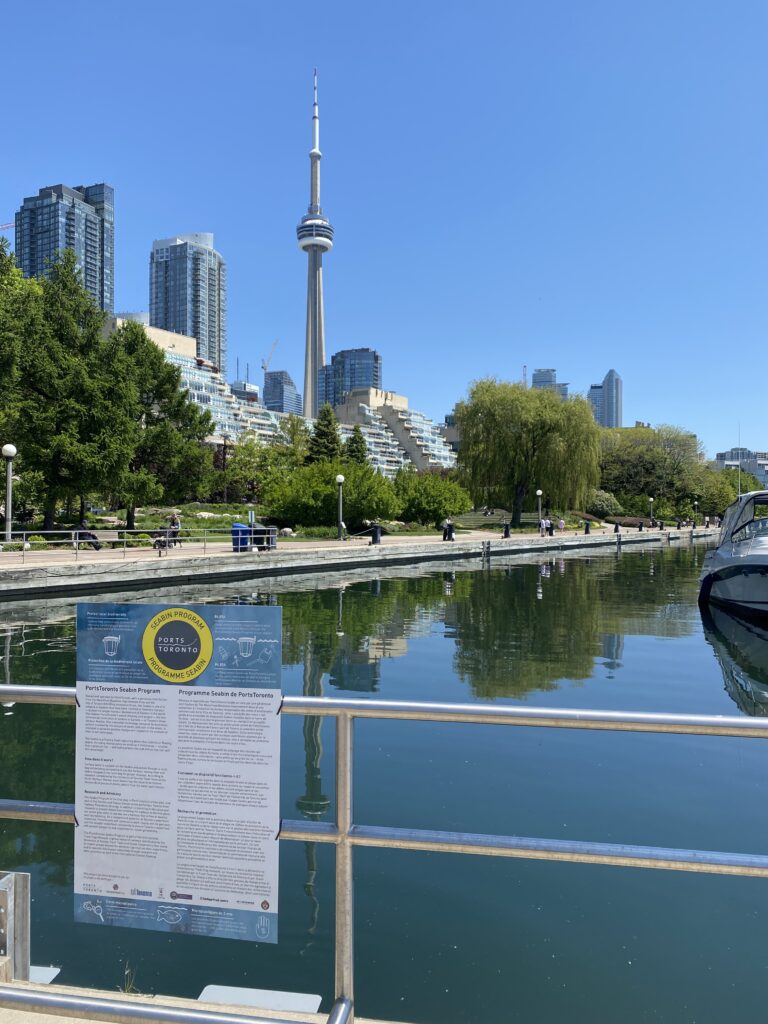
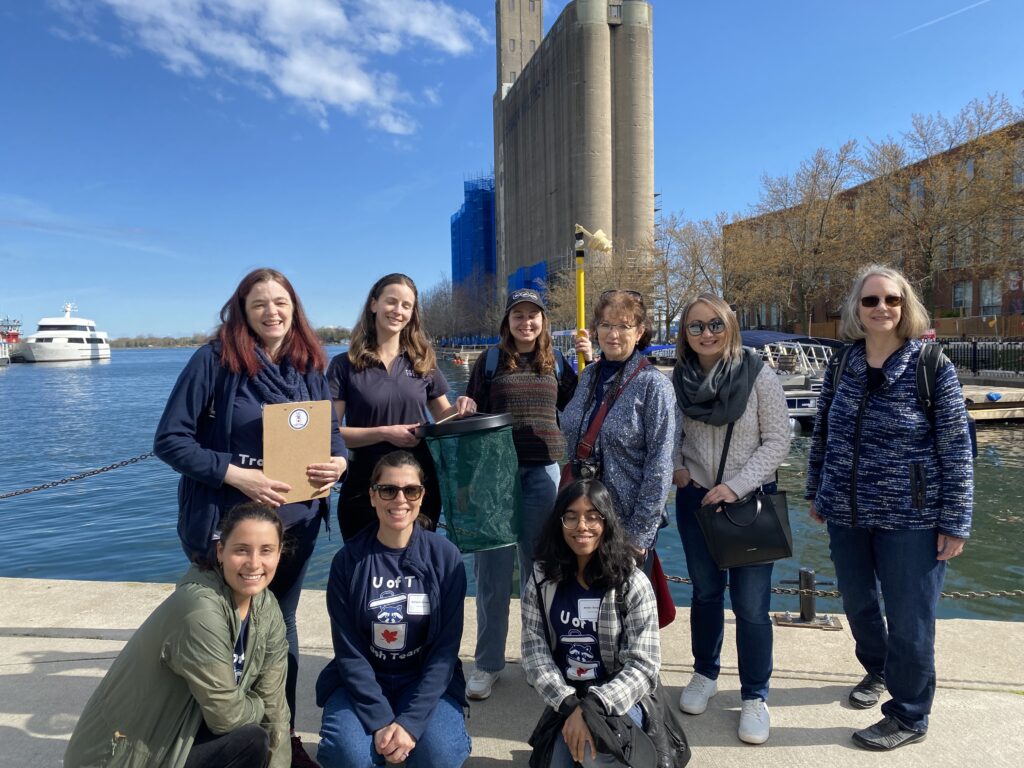
The Toronto Port Authority Trash Trapping Program employs trash trapping technology and solutions-based research to tackle plastic pollution and protect Toronto’s waters for future generations. It is led by the Toronto Port Authority and the U of T Trash Team, in partnership with the Waterfront Business Improvement Area (WBIA) and the City of Toronto BIA Office Innovation Grant, Nieuport Aviation, the Toronto Zoo, Harbourfront Centre and Toronto and Region Conservation Authority (TRCA).
The Toronto Port Authority Trash Trapping Program is part of the Toronto Inner Harbour Floatables Strategy, a partnership led by TRCA, and of the International Trash Trapping Network, an initiative led by the U of T Trash Team and Ocean Conservancy, and has influenced the launch of similar trash trapping and data collection programs throughout the Great Lakes and beyond.
Fast Facts
- Researchers estimate that 10,000 metric tonnes of waste enter the Great Lakes each year, much of it plastic.
- A common occurrence in urban waterways, floating debris comes from a variety of sources – including overflowing or windblown trash bins at the water’s edge, storm water runoff and industry.
- Anthropogenic (originating from human activity) debris, and microplastics in particular can harm wildlife and contaminate drinking water, and negatively impact public enjoyment of cherished shared water resources.
- Since the Trash Trapping Program’s launch in summer 2019, Seabins in the the Toronto Port Authority network have removed hundreds of thousands of pieces of plastic debris from the Toronto Harbour, moving the needle toward cleaner water in Lake Ontario.
- The Toronto Port Authority Seabins are deployed on the Toronto waterfront and on the Outer Harbour Marina.
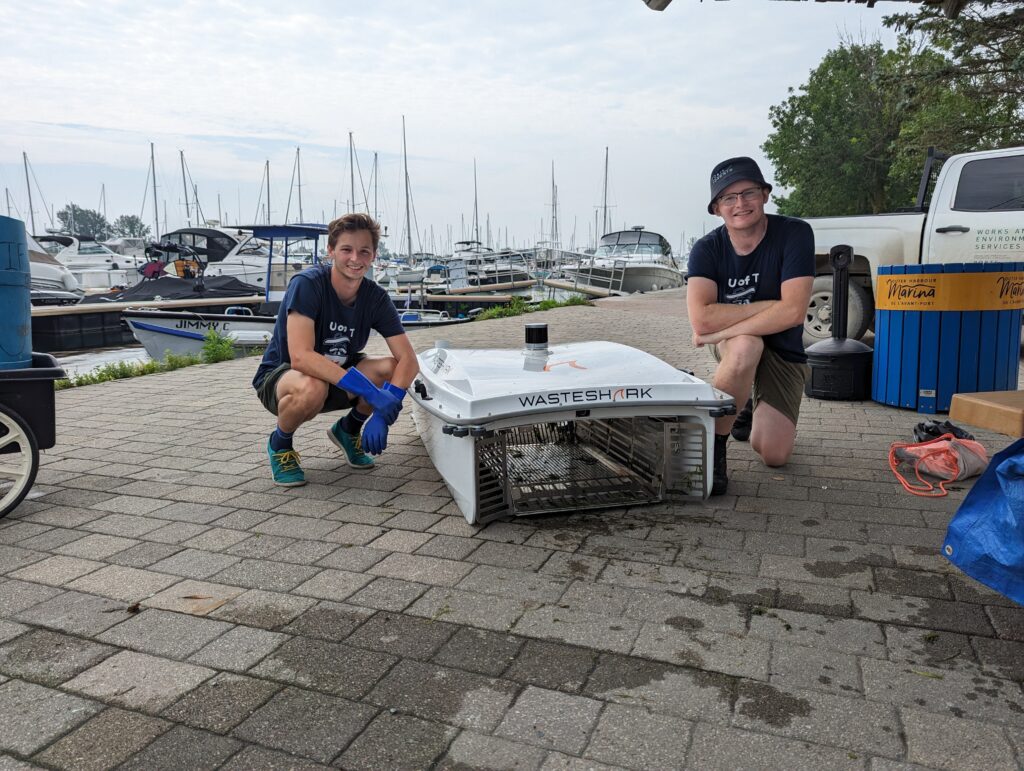
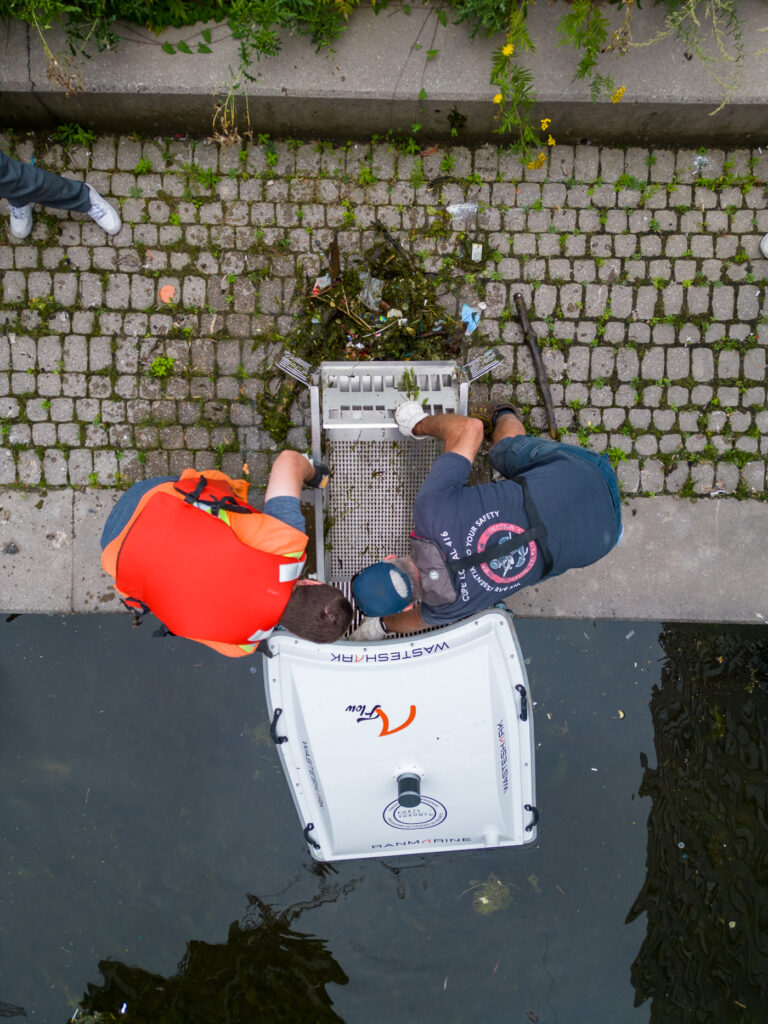
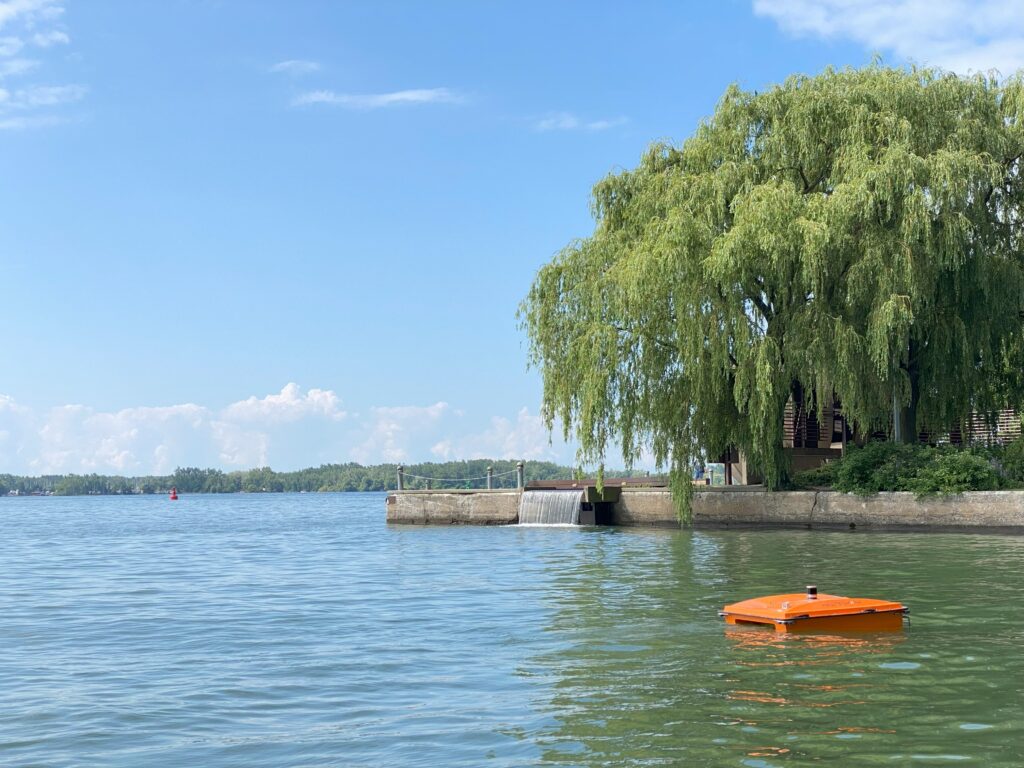
- In 2023, the Toronto Port Authority launched a pilot program with two WasteShark aquadrones, known as the Toronto WasteSharks, Ebb and Flow.
- The WasteShark aquadrone is designed to skim the surface of the water to collect floating debris and waste from the aquatic environment.
Research Partnership with the University of Toronto Trash Team
To quantify our impact and inform policy, the Toronto Port Authority partners with the University of Toronto Trash Team on research, education and outreach led by Dr. Chelsea Rochman, Assistant Professor of Ecology and Evolutionary Biology alongside Trash Team co-founders Susan Debreceni and Dr. Rafaela Gutierrez.
As part of this collaborative initiative, researchers collect and analyze the anthropogenic debris including plastics and microplastics captured to determine the origination of some of these materials. This process will, in turn, better inform the Trash Team’s solutions-based research and community outreach program, which ultimately seeks to increase waste literacy and contribute to policies that prevent plastics and microplastics from entering waterways in the first place.
Since the Trash Trapping Program’s launch in summer 2019, trash traps in the the Toronto Port Authority network have removed hundreds of thousands of pieces of plastic debris from the Toronto Harbour, moving the needle toward cleaner water in Lake Ontario.
Research Results
Between May and October 2025, a network of trash traps intercepted and removed 525 kilograms of anthropogenic (man-made) debris from the Toronto Harbour and Lake Ontario, diverting nearly 147,418 individual items before they could travel farther into the ecosystem.
Key Results and Findings in 2025:
- Large items collected: 69,915. Top 10 large items collected: Food wrappers, plastic bottle caps, cigarette butts, foam packaging, tobacco products (i.e. cigar tips), other plastic bags, straws and stirrers, plastic film pieces, balloons, plastic cups and plates
- Small items collected: 77,503. Top small items collected: Foam, hard plastic fragments, pellets, film, other
- WasteShark Aquadrones collected over 5,100 pieces of litter (5 kg total)
- Ten LittaTraps were placed in storm drains near Queens Quay to prevent debris from reaching the harbour. They mainly captured cigarette butts, paper, and litter that could eventually break down into microplastics
These efforts represent significant steps in improving water cleanliness and reducing marine litter along Toronto’s waterfront. To keep up to date with the Trash Trapping Program, follow us on social media at @TorontoPortAuthority, @UofTTrashTeam and @Sharks_TO.
The Toronto WasteSharks’ names, Ebb and Flow, were chosen through a public contest and vote. Based out of the Outer Harbour Marina, the WasteSharks troll problem areas for debris collection throughout the Toronto Harbour and waterfront, collecting debris and contributing to important data collection.
The WasteShark is an aquadrone. It can operate both manually and by remote control and can be programmed to operate autonomously along a prescribed route for up to six hours, collecting floating debris, small plastic pollution and vegetation from the water. Operating like a Roomba vaccum, Wastesharks skim the surface of the water, filtering it through a catch basin and net that captures the floating waste. With a 180-litre capacity, each WasteShark can collect and remove 1,100 pounds of waste daily from the aquatic environment.
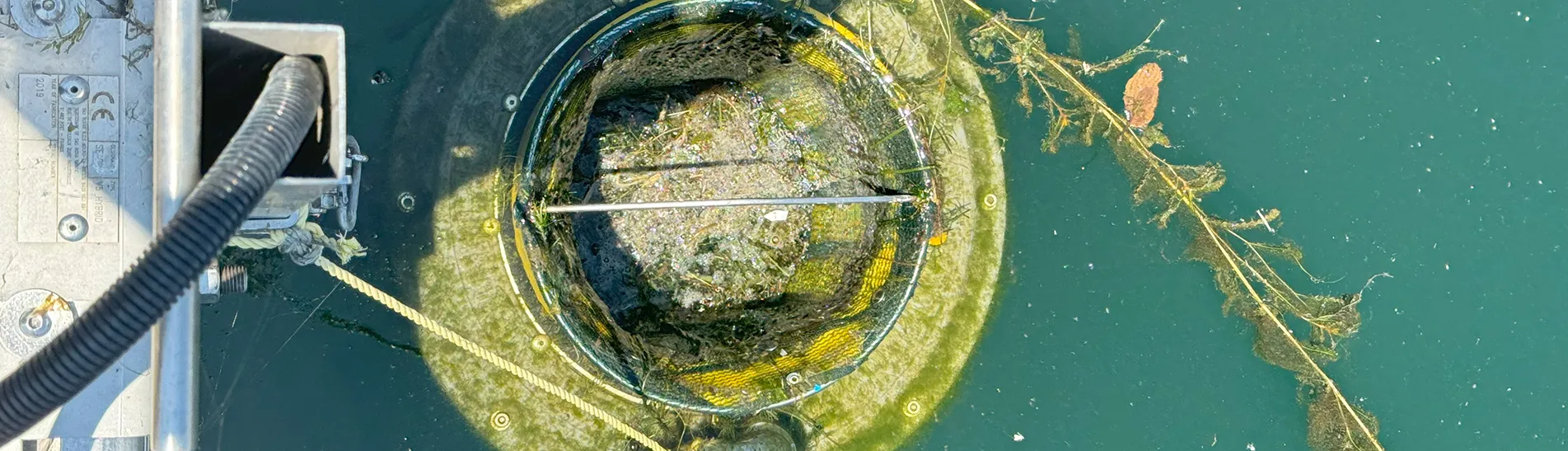
A Seabin is a floating trash bin that acts like a vaccuum, collecting plastic debris as small as two millimetres as well as hydrocarbons like fuel and oil with the help of a filtration pad. The Seabin moves up and down with the natural flow of water, collecting all floating debris. Water is sucked in from the surface and passes through a catch bag inside the Seabin, with a submersible water pump capable of displacing 25,000 LPH (litres per hour), plugged directly into 110/22V outlet. The water is then pumped back into the marina, leaving litter and debris trapped in the catch bag to be disposed of properly. Just one Seabin can collect an estimated 3.9 kilograms of debris in a day, filtering as much as 1.4 metric tonnes of trash in one year.